Knowledge Blog
Nine tips on how to avoid sugar in your everyday life
Themen dieses Blogartikels:
Knowledge for your ears!
Knowledge for your ears!
The most important facts about your sugar consumption
What you should know:
Pure sugar contains no vitamins or minerals and can make you sick and even lead to addiction. Yes, it tastes good and provides quick energy, but do these benefits alone outweigh the drawbacks? We dare to doubt it. The WHO recommends consuming no more than 6 teaspoons of sugar per day.¹ On average, however, every German consumes nearly 22 teaspoons of sugar.
People often underestimate their own sugar intake, since sugar is found in more foods than one might initially suspect. So it’s not surprising that the decision to live a sugar-free lifestyle can easily lead to frustration at first. Keep this number in mind: On average, every German consumes 83 g of sugar per day², which amounts to nearly 2.5 kg in 30 days!
In addition, a sugar-free diet can bring some negative side effects at first, as the body reacts to sugar withdrawal with symptoms such as headaches, dizziness, or skin breakouts. If you persevere through these withdrawal symptoms, you’ll be rewarded. Your overall well-being improves; you feel fitter and more energetic, and even your sense of taste can improve. Sugar also causes blood sugar levels to spike, which means you’re very alert during the day and have trouble falling asleep at night. Excessive sugar consumption can make you sluggish and lethargic. A sugar-free diet helps you get through the day feeling fitter and more alert, and you’ll fall asleep more easily and sleep through the night better.


9 tips to make it easier to reduce sugar in everyday life
#1 Prepare yourself well
What foods do you buy regularly? Check the packaging at home to see how many contain added sugar - replace them with sugar-free foods on your next shopping trip.
When you're shopping, make it a habit to check the ingredients before anything ends up in your shopping cart. The ingredient listed first is the one that's most abundant. You'll be surprised how often sugar is listed first.
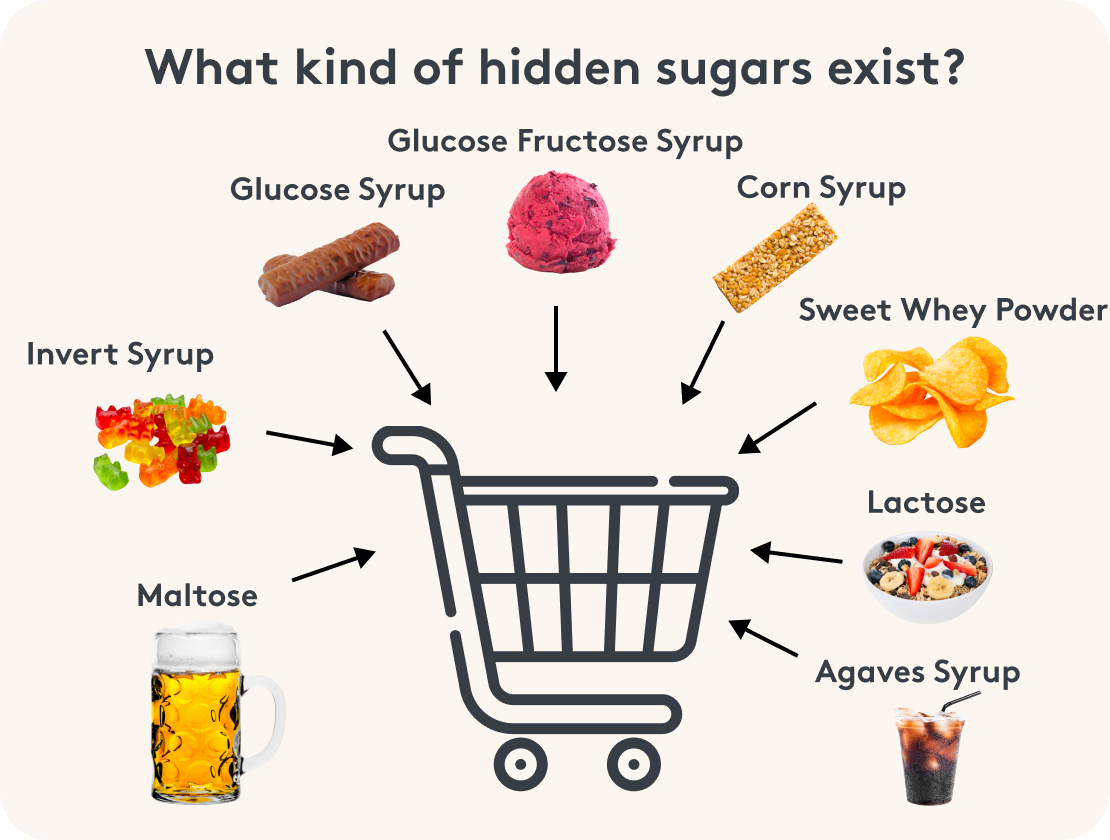
It is also important to know that sugar has many names. The suffix "-ose" usually reveals it. For example, lactose (milk sugar), sucrose (table sugar and beet sugar), maltose (malt sugar), glucose and dextrose (grape sugar), or fructose (fruit sugar).
Other hidden sugar traps include:
- Ingredients ending in "-dextrin", such as maltodextrin or wheat dextrin
- Malts or malt extracts such as barley malt or barley malt extract
- Concentrated milk products such as skimmed milk powder or sweet whey powder
- Fruit sweeteners, juices, fruit concentrates and nectars
- Ready-made sauces and dressings and tomato ketchup
- Dairy products such as fruit yogurts or cocoa drinks
#2 Make a plan
Make a plan of what you want to eat and when. This will help you avoid buying a small snack at the supermarket or bakery, or ordering something for dinner instead of cooking a fresh meal. This plan can include how many grams of sugar you want to consume each day to reduce your sugar intake. A meal plan can also help you keep track of how many calories you’re consuming each week.
#3 Drink unsweetened beverages
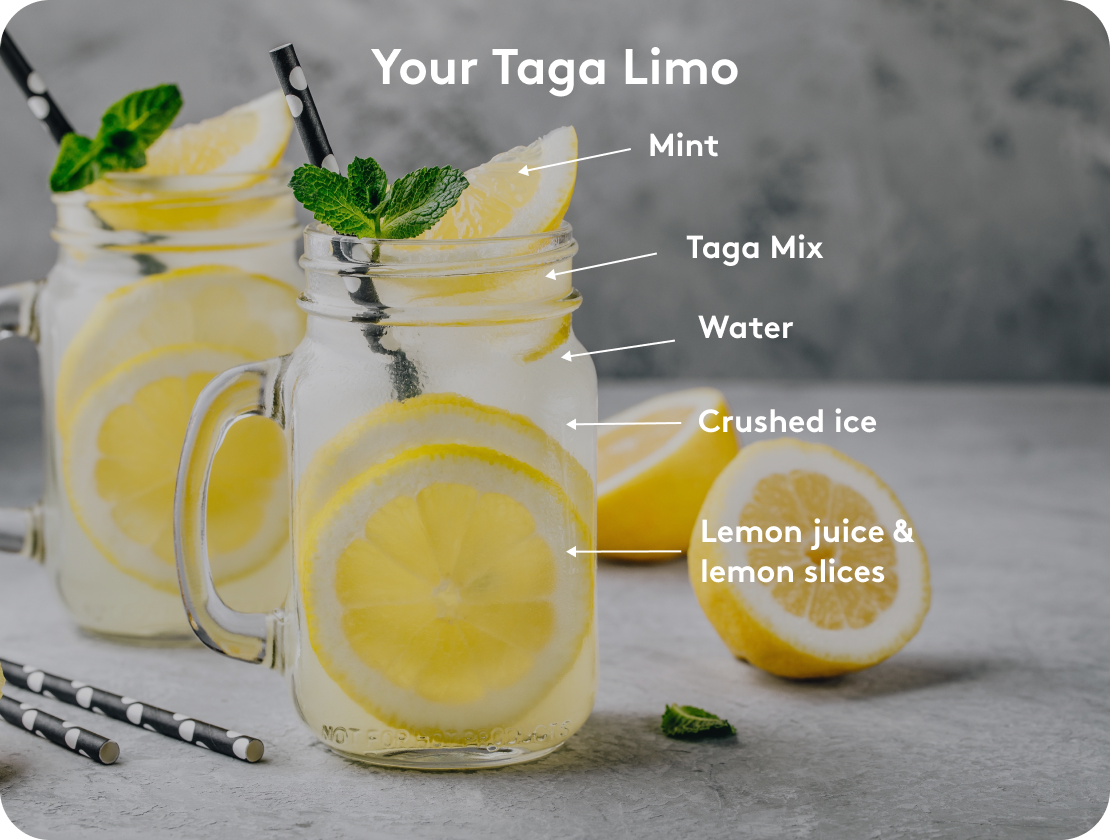
Try drinking your tea or coffee without sugar. If you find this difficult at first, take it slowly and cut the amount of sugar in half. You’ll see that, over time, you’ll be able to cut it out entirely. You should also eliminate soft drinks from your beverage choices, because it’s no secret that they contain a lot of sugar. It’s best to reach for water when you’re thirsty. It’s important to drink plenty of water, since we often mistake thirst for hunger. For example, make your own healthy lemonade and avoid commercially produced drinks.
Translated with DeepL.com (free version)

#4 Eat fewer processed foods
Yes, it’s quick, and after a long day at work, you often don’t feel like cooking a fresh meal. In a flash, the pizza’s in the oven. Unfortunately, ready-made products in particular contain a relatively high amount of sugar. A frozen pizza, for example, can contain up to 14 g of sugar.
#8 Cook and bake sugar free/b>
At first, it's probably a bit unusual to bake your own bread for breakfast or a cake for Sunday afternoon. But one thing is for sure: You can't get bread or cake in the supermarket without sugar. There are many great recipes for sugar-free cakes or sugar-free bread that are also easy to make and taste great. So you can feast without remorse.
#9 Find allies/b>
Find friends or family members who want to start a sugar-free life together with you. This way, you can motivate each other when one of you has a slump. It's also more fun together and you can share successes, recipes, tips and tricks.
#5 Don't go shopping hungry.
We've all been there: going grocery shopping on an empty stomach and then wondering later how all those items ended up in your cart. Most of the time, you don't reach for the healthy foods, but rather the ones packed with sugar.
That's why we recommend that you always head to the supermarket after you've had a good meal.
#6 Don't buy any sweets
Almost everyone has one—a candy drawer or a candy cabinet—that’s always nicely stocked. What if you simply stopped buying more? Then it would soon be empty, you wouldn’t have any candy at home, and you wouldn’t be tempted to reach for a chocolate bar or something similar in a moment of weakness. And let’s be honest: How often do we eat sweets out of boredom?
Anzeige
- MITOchoc Schokoladen: Premium Schokolade in Vollmilch (45% Edelkakao mit Milch) oder Zartbitter (70% Edelkakao)
- 0% Haushaltszucker – beuwsst gesüßt mit den alternativen Zuckerarten Tagatose & Galaktose
- Nachhaltiger Premium-Kakao – von peruanischen Kleinbauern
- Bean-to-Bar produziert – vom Ursprung der Kakaobohne bis zur fertigen Tafel
- Blutzuckerfreundlicher als herkömmlicher Haushaltzucker

#7 Don't eat sugary cereal or cornflakes
For many people, eating muesli in the morning is simply part of getting the day off to a good start. But have you ever checked how much sugar it contains? According to consumer advocates, a quarter of many store-bought mueslis is sugar! That’s equivalent to eight sugar cubes per 100 g.
Instead, why not make your own muesli with rolled oats and nuts, or whip up some healthy Bircher muesli?
#8 Cook and bake without sugar
At first, it's probably a bit unusual to bake your own bread for breakfast or cake for Sunday afternoon. But one thing is for sure: you won't find bread or cake without sugar in the supermarket.
There are many great recipes for sugar-free cakes or sugar-free bread that are also easy to make and taste good. This way you can indulge without guilt.
#9 Find yourself allies
Find friends or family members who want to start a sugar-free life with you. This way you can motivate each other if one of you has a setback.
It's also just more fun to do it together, and you can share successes, recipes, and tips and tricks with each other.
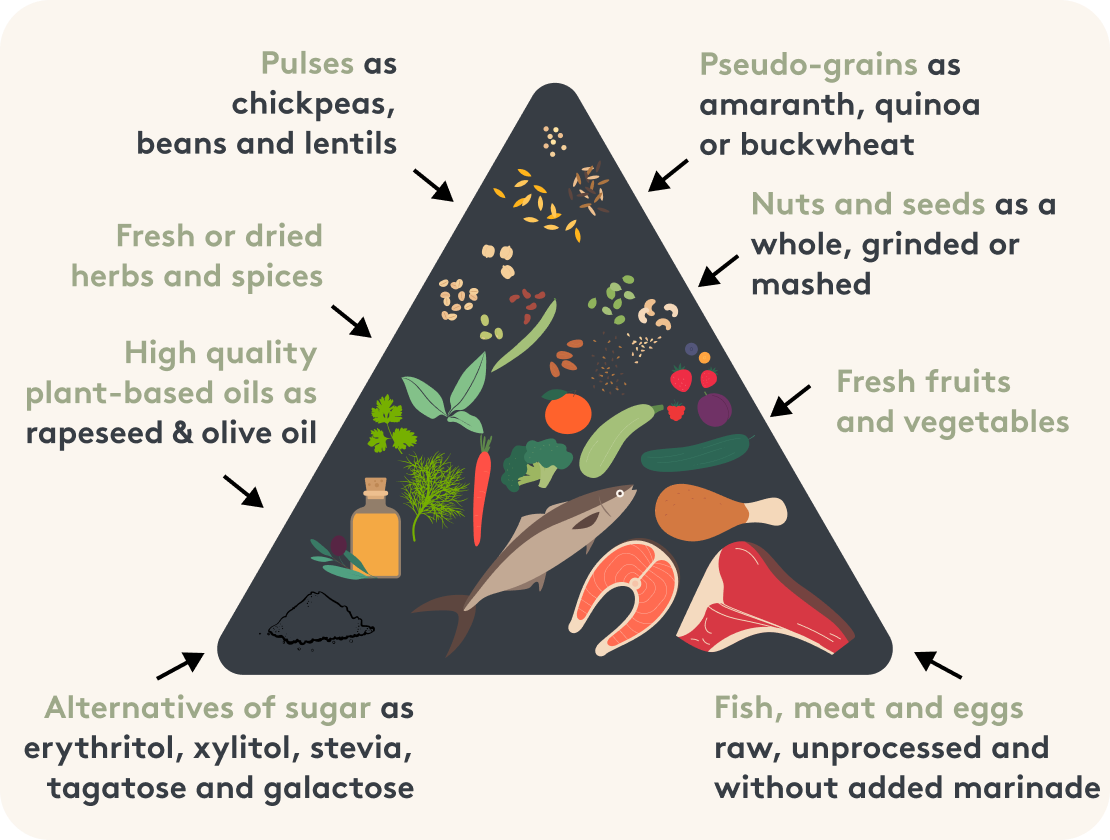
What foods do we recommend on a sugar-free diet?
- Fresh fruit and vegetables, in season
- Nuts, kernels and seeds, whole, ground or in the form of mush
- Legumes such as chickpeas, beans and lentils
- High-quality vegetable oils such as rapeseed oil, olive oil, walnut oil or linseed oil
- Fresh or dried herbs and spices
- So-called pseudocereals such as amaranth, quinoa or buckwheat
- Fish, meat and eggs - raw and unprocessed, without ready marinade
- Sugar alternatives such as erythritol, xylitol, stevia, tagatose and galactose
Sugar alternatives
Too much sugar puts an unnecessary strain on the body and can lead to negative consequences in the long term, such as weight gain, energy slumps, or cravings. According to the recommendations of nutrition experts, it is therefore worthwhile to use alternatives to reduce the amount of sugar in everyday life.
Instead of regular sugar, you can use sugar substitutes like tagatose. It tastes sweet, but has fewer calories and hardly affects blood sugar levels. It's also worth taking a closer look at yogurts and fruit juices: many products contain hidden sugars and unnecessarily high amounts of carbohydrates, which can negatively affect energy levels. A healthy alternative: natural yogurt with a splash of lemon juice and a teaspoon of lemon-flavored omega-3 oil – this provides healthy fats and ensures a fresh taste experience. The same applies to salad dressings, which in many cases – just like ready-made meals – contain hidden sugar and unhealthy fats.
In our blog article " The Best Sugar Alternatives ," you'll learn whether honey, sugar cane, and other sweeteners are a sensible alternative to granulated sugar – and what role fructose plays in nutrition.
Our tips: Prepare your dressing yourself, pay attention to natural ingredients and gradually get used to less sweetness. Your body will thank you for it – with more energy, better well-being and, in the long term, a healthier figure.
We hope that after reading this blog post, it will be easier for you to avoid sugar or even to give it up completely over time and lead a sugar-free life.
Your health will thank you for it.
More blog posts on this topic


Understanding Stress Eating & Cravings: Causes, Biochemical Processes, and How to Break the Cycle
Read article


Implementing Intermittent Fasting Correctly: Methods, Eating Windows, Autophagy & Nutrients
Read article


Cooking Oils: Which Oil is Right for You? The Ultimate Guide for Focus, Energy, and Cellular Health
Read articleBibliography
- welt.de/wissenschaft/article138077917/WHO-empfiehlt-6-Teeloeffel-Zucker-pro-Tag.html
- statista.com/statistik/daten/studie/175483/umfrage/pro-kopf-verbrauch-von-zucker-in-deutschland/
2 https://de.statista.com/statistik/daten/studie/175483/umfrage/pro-kopf-verbrauch-von-zucker-in-deutschland/

