

Knowledge Blog > Health
Phase angles – A key to cell health
Themen dieses Blogartikels:
Table of contents
- Introduction
- What is the phase angle?
- Phase angle: Indicator of cell health & aging processes
- Influencing factors: Exercise, nutrition & micronutrients
- Exercise & Training
- Nutrition & Calories
- Micronutrients
- Body composition
- Practical significance: Course, comparison & tips
- Connection: Mitochondrial Health & IHHT
- Examples & illustrative comparisons
- Sources & Bibliography
Introduction
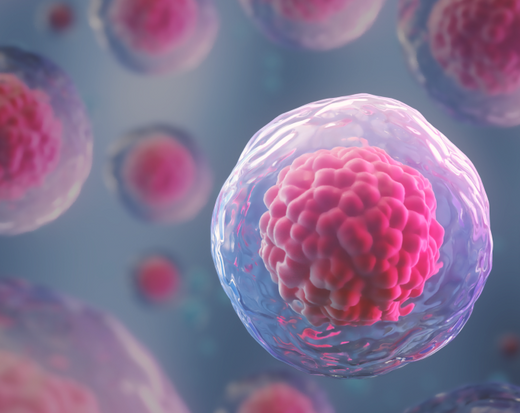
Your body holds many secrets – you already know this from analysis values such as muscle or body fat percentage. This article provides you with a comprehensive, evidence-based overview of the phase angle and its significance for health. Individual cells, especially body cells, play a central role in the health of the entire organism, as they form the basis of all vital functions. The phase angle is used in various areas of health assessment, such as prevention, clinical diagnostics, and performance diagnostics. But the phase angle from bioelectrical impedance analysis (e.g., during an InBody scan) reveals something about the quality of your cells at a glance. It is considered a sensitive marker: A higher phase angle indicates intact cell membranes and healthy cells, while a low value can indicate cell degeneration, chronic inflammation, or deficiencies.¹
What is the phase angle?
The phase angle is an important measurement obtained from bioelectrical impedance analysis (BIA), also known as bioimpedance analysis. In BIA, a weak alternating current is passed through the body, and the shifts in current and voltage across tissues are measured. This phase shift between current and voltage is caused by the charging and discharging of cell membranes and determines the phase angle. The measurement yields two key parameters: impedance , which reflects the total resistance in the tissue, and cell resistance , which describes the electrical properties of the cells. Ohmic resistance (resistance R) is primarily influenced by body water, while reactance (reactance Xc) depends on cell membranes. Both resistance and cell resistance are important parameters in determining the phase angle. The phase angle is calculated as the ratio of Xc to R (more precisely: arctan(Xc/R) in degrees).²'⁷. Put simply: Your body fluids conduct electricity, and intact cell membranes act like tiny storage devices. The more your cell membranes delay the current, the higher the phase angle.
Phase angle measurements should be performed under standardized conditions to obtain comparable and meaningful results. In addition to age, sex, and height, height, fat mass, and body water percentage also influence the measurement results. Bioelectrical impedance analysis differentiates fat mass from fat-free mass and reports the percentage of body fat separately, allowing for a differentiated analysis of muscle and fat content.
Values around 5–9° are generally considered healthy for adults. Lower values often occur in cases of malnutrition, muscle wasting, or certain diseases.⁷'¹ It's important to note: there are no absolute target values for everyone – your phase angle also depends on age, sex, and height. It's particularly useful to track your own measurements over time.
Phase angle: Indicator of cell health & aging processes
The phase angle is a true all-round indicator of your physical fitness, general health, and cell function. Studies show that a high phase angle is typical of fit, muscular individuals—meaning many healthy, intact cells—and is associated with better quality of life, performance, and well-being.⁵⁶ The phase angle is used in various areas of medicine, prevention, and performance diagnostics because it provides important insights into the condition of cell membranes , cell function, and balance within the body. Conversely, a low phase angle is often a warning signal: It correlates with reduced muscle volume, malnutrition, inflammation , or chronic diseases.¹⁷ For example, significantly lower phase angle values are observed in seniors with little exercise or poor nutritional status.³⁷

Lifestyle, particularly diet , exercise , and stress management, significantly influences the phase angle and thus contributes to maintaining health and cellular health. The phase angle also plays an important role in the detection and monitoring of diseases, as low values can indicate bacterial, viral, or chronic conditions such as cancer or kidney disease. In clinical nutrition, especially in specific patient groups like hemodialysis patients, the phase angle is used to assess nutritional status and cellular health; numerous studies, such as those published in the Journal of Renal Nutrition, demonstrate its importance for monitoring and adjusting therapy. It is essential to clearly identify pathologically low values in order to intervene early and effectively.
Even during normal aging, the phase angle tends to decrease.² With each year of life, your cells lose some efficiency and membrane strength – this is reflected in a decreasing phase angle. It sounds paradoxical, but a higher phase angle means slower aging : An above-average phase angle indicates robust cells and good body composition, as studies in older people suggest.¹'² Conversely, a drastic drop in the phase angle in older patients may indicate an increased risk of frailty and mortality.⁷
It is also noteworthy that athletic individuals have, on average, higher phase angles than inactive control groups.⁶ A systematic review found that athletes perform significantly better than non-athletes in terms of phase angle. However, the phase angle varies considerably depending on the sport and training status.⁶ In general, though, it appears that muscle mass and strength are closely linked to the phase angle: Increased muscle volume and intracellular water simultaneously increase R-conductance and Xc, leading to a higher phase.⁵⁷
Influencing factors: Exercise, nutrition & micronutrients
Regular exercise, a balanced diet, and micronutrients have a crucial influence on the phase angle:
Movement & Training
Strength and endurance training have been proven to increase the phase angle.²⁶ In one study, people who regularly engaged in moderate to intense exercise performed much better: their phase angle was significantly higher, regardless of age and gender.² Exercise stimulates muscle growth and improves cell quality – this can even be measured. Even a regular walk or moderate jog can have a positive effect: every increase in muscle mass raises the intracellular water content and cell voltage, which noticeably increases the phase angle.⁵⁷ Targeted training and its measurement help to optimize the phase angle in various areas and provide information about the effectiveness of training strategies.

Nutrition & Calories
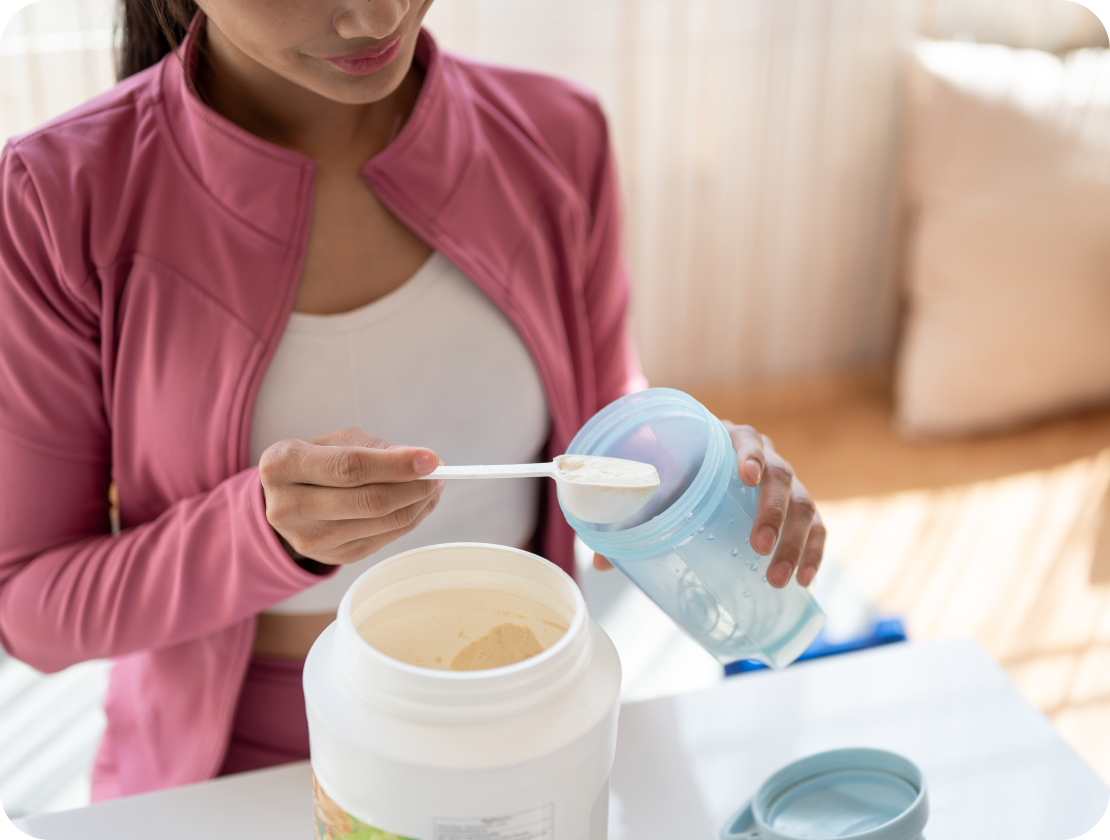
Adequate calorie and nutrient intake keeps the phase angle high.³ Studies in older adults clearly showed that a low phase angle is often associated with insufficient energy intake and generally poor nutritional status.³ Conclusion: Make sure you eat enough, especially protein . Proteins are the building blocks for muscle tissue, which ensures high phase angles.⁷ Without sufficient nutrients, muscle breakdown and cell loss are likely – both of which lower the phase angle. Therefore, you should pay attention to the correct macronutrient distribution (proteins, fats, carbohydrates) and a varied selection of whole foods. Nutrition and a healthy lifestyle are crucial for well-being and health, as they significantly influence cell function and the body's vitality.
Micronutrients
Vitamins and trace elements indirectly influence the phase angle because they affect cell health and mitochondrial strength. Studies suggest that vitamin D, for example, can improve the phase angle: In a randomized study of older men, phase angle values increased significantly after 24 weeks of very high vitamin D supplementation – while they remained at "frailty levels" with low-dose supplementation.⁴ In general, your cells require numerous cofactors. Besides vitamin D , important micronutrients for healthy cellular energy include B vitamins (e.g., vitamin B1, vitamin B2 , vitamin B3 , vitamin B5 , vitamin B6 ) as well as trace elements such as iron , selenium , and zinc , which are involved in ATP production in the mitochondria.⁹ Antioxidants (e.g.,vitamin C , vitamin E, polyphenols) also protect against oxidative stress and can thus keep cell membranes intact. A balanced supply of micronutrients helps your cells to work efficiently – and thus to keep the phase angle high.

Advertisement
- Bestseller product & top ratings
- New flavor: Passion fruit with a subtle vanilla note & no unpleasant aftertaste
- Now with the amino acid glycine – the smart sweetener with added benefits (instead of sugar)
- The smart alternative to the protein shake for every day
- 13 Premium Amino Acids & Zinc
- D-Galactose & D-Tagatose
- With vitamins C and B6 in powder form
- With the smart amino acid glycine

Body composition
Body composition plays a central role: The proportion of body fat, fat mass, and body water significantly influences the interpretation of the phase angle measurement, as these parameters provide insights into muscle quality and overall health. Analyzing body cells and the body as an organism yields important information about cell function and condition in various areas.
Lack of exercise and poor diet can lower the phase angle. Conversely, regular exercise and a balanced diet increase the phase angle. Exercise (here: hiking in the mountains) strengthens muscles and mitochondria , thus demonstrably improving cell health.²⁹

Practical significance: Course, comparison & tips
The phase angle is primarily a personal assessment. Because it strongly depends on body size, age, gender, and even the measuring device used, the absolute value alone is difficult to interpret.⁷ Standardized measurements are crucial to making phase angle measurements comparable across various fields such as sports, medicine, and health prevention. Much more important is how your phase angle develops over time. Record how it changes, for example, after a training program or a dietary change. An increasing phase angle indicates improved cellular health, while a decrease suggests potential need for action. The Clinician's Tip therefore advises: Compare your current values primarily with your own previous values , not with those of other people.⁷
Especially for those who are physically active, the phase angle can serve as a personal feedback metric. Using a body composition analyzer (InBody, DXA-BIA, or similar devices), you can measure and document your phase angle approximately every three months. If it remains consistently high or continues to rise, you're on the right track. If it drops despite training, you should review your strategy (nutrition, recovery, training). Always ensure that measurements are taken under comparable conditions to obtain meaningful results.
Some practical tips for improving the phase angle are:
- Train regularly: Combine endurance training with targeted strength training. More muscle mass generally means a higher phase angle. Even a small amount of strength training can significantly improve cell health and thus the phase angle. Targeted training programs help to improve the phase angle as a measured value and increase muscular performance and resilience.
- Eat enough, and make sure your diet is high in protein: Ensure you get enough energy and protein. Protein helps maintain muscle mass – crucial for a good phase angle.⁷'³ Avoid long-term diets that can lead to massive weight loss and muscle wasting (this lowers the phase angle!).
- Targeted micronutrient supplementation: Pay attention to vitamins (especially B vitamins and D) as well as minerals (e.g., iron , zinc , selenium ). This strengthens cellular energy and membrane function.⁹⁴ A low vitamin D level, for example, can be associated with poor muscle quality and a lower phase angle.
- Sufficient sleep and stress management: Restful sleep repairs cells and lowers stress hormones. Chronic stress, lack of sleep , or toxin exposure can impair cell health and lower the phase angle.⁷ So make sure you get restful nights and breaks in your daily routine.
- Stay hydrated: Since BIA is highly dependent on water content, you should be normally hydrated before the measurement. Dehydration can distort the values and seemingly lower the phase angle. Slightly elevated body water (due to edema or inflammation ) can also affect the reading.
Advertisement
- 40 bioactive premium active ingredients – everything your mitochondria need as fuel.
- Supports cellular energy, energy levels, performance and efficiency.
- Unique complex developed by our team of doctors and experts.
- Contains vitamins, minerals, amino acids, medicinal mushrooms & many other premium active ingredients.
- No additives or fillers.

Connection to mitochondrial health & IHHT
Your phase angle isn't isolated – it's closely linked to mitochondrial health . Mitochondria are the powerhouses of your cells and determine how much energy (ATP) your cells have available.⁸⁹ They contribute significantly to cell function throughout the entire organism and thus directly influence the phase angle. Healthy mitochondria support stable cell membranes and plenty of intracellular water – conditions for a high phase angle. Conversely, mitochondrial stress or wear and tear (e.g., from free radicals, an unhealthy diet, or aging) can negatively affect the phase angle.
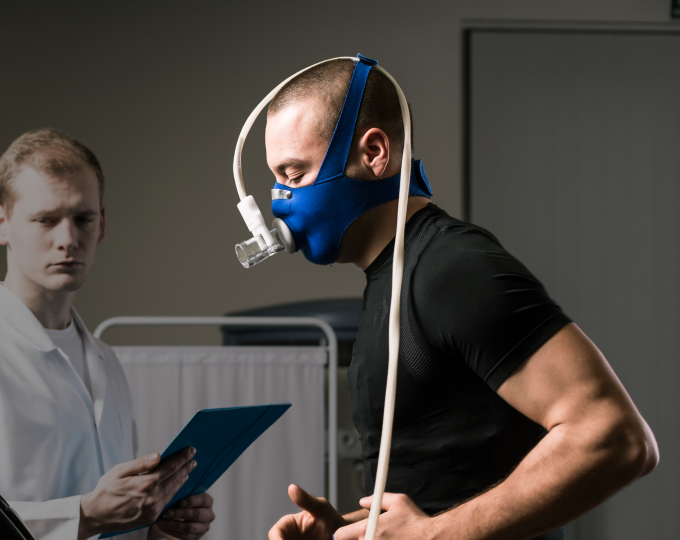
This is precisely where IHHT comes in – Intermittent Hypoxic-Hyperoxic Training, which is also described in various blog articles by MITOcare.⁸ With IHHT, you alternately breathe oxygen-poor and oxygen-rich gas, which specifically challenges and regenerates the mitochondria . According to MITOcare, only the high-performing mitochondria are rewarded: Dysfunctional mitochondria die off, while new, young mitochondria can form.⁸ This rejuvenation of the cellular powerhouses can also indirectly improve your phase angle, as overall cell function increases.
Mitochondria are the powerhouses of your cells.⁹ Everything that benefits your mitochondria—from micronutrients and exercise to therapies like IHHT —aims for a better phase angle. Our blog post on mitochondria offers further valuable tips on how to strengthen and support your mitochondria through antioxidant and coenzyme intake.⁹
Advertisement
• Complex antioxidant blend - with vitamin E from soy & vitamin C
• Contains coenzyme Q10, alpha-lipoic acid & L-carnosine
• Now with the premium natural substance astaxanthin from algae
• High-quality secondary plant compounds
• Vegan and free from fillers and flow agents
• Enriched with grape seed extract
• Developed with doctors & experts

Examples & illustrative comparisons
Imagine the phase angle like the voltage in a battery: If the cell membrane is intact and filled (a well-charged battery), the phase angle is high. If the cells leak (like a short circuit), it drops. In one study, for example, vegans with comparable muscle mass often performed slightly worse than omnivores because they lacked certain amino acids or nutrients – similar to how a battery functions less effectively without an energy supply.
Or think of your phase angle like a health "speedometer": It rises when you take good care of yourself (exercise, good food, rest) and falls when you constantly let yourself be "overtaxed" (stress, crash diets, illness). Studies show that people who feel sluggish or suffer from chronic illness often also have a low phase angle.⁷ Conversely, a consistently high phase angle in health-conscious people is a sign that cellular metabolism, cardiovascular system , and immune system are functioning well.
Science now takes the phase angle seriously as an important parameter. Doctors are increasingly looking at it during nutritional screenings and in sports assessments. So next time you get your body fat percentage, take a look at the phase angle as well. It can give you entirely new insights into your cellular health – and help you better manage your fitness and aging processes.
Advertisement


More blog articles on the topic


















This article is based on carefully researched sources:
Sources & Bibliography
- Mousavi T, et al. Phase angle as an indicator of nutritional status: a cross-sectional study on the Iranian population. J Health Popul Nutr. 2025;44:315.
- Yamada Y, et al. Phase angle obtained via bioelectrical impedance analysis and objectively measured physical activity or exercise habits. Sci Rep 2022;12:17274.
- Kajiyama S, et al. The Impact of Nutritional Markers and Dietary Habits on the Bioimpedance Phase Angle in Older Individuals. Nutrients. 2023;15(16):3599.
- Inglis JE, et al. Effects of high-dose vitamin D supplementation on phase angle and physical function in patients with prostate cancer on ADT. Nutr Cancer. 2021;73(13-14):2384–2394.
- Cardoso J, et al. Correlation Between Phase Angle and Body Composition, Strength and Nutritional Habits in Male Gamers. Sports. 2025;13(8):257.
- Di Vincenzo O, et al. Bioelectrical impedance phase angle in sport: a systematic review. J Int Soc Sports Nutr. 2019;16:49.
- Tomboc K. Your Body and You: A Guide to Phase Angle. InBody USA Blog, 2018.
- MITOcare Knowledge Blog. More energy through IHHT? (Intermittent Hypoxic-Hyperoxic Training).
- MITOcare Knowledge Blog. Strengthening mitochondria: 8 tips for more energy.
- MITOcare Knowledge Blog. Mitochondrial Formula – Nutrients for your cellular powerhouses (micronutrients)
